

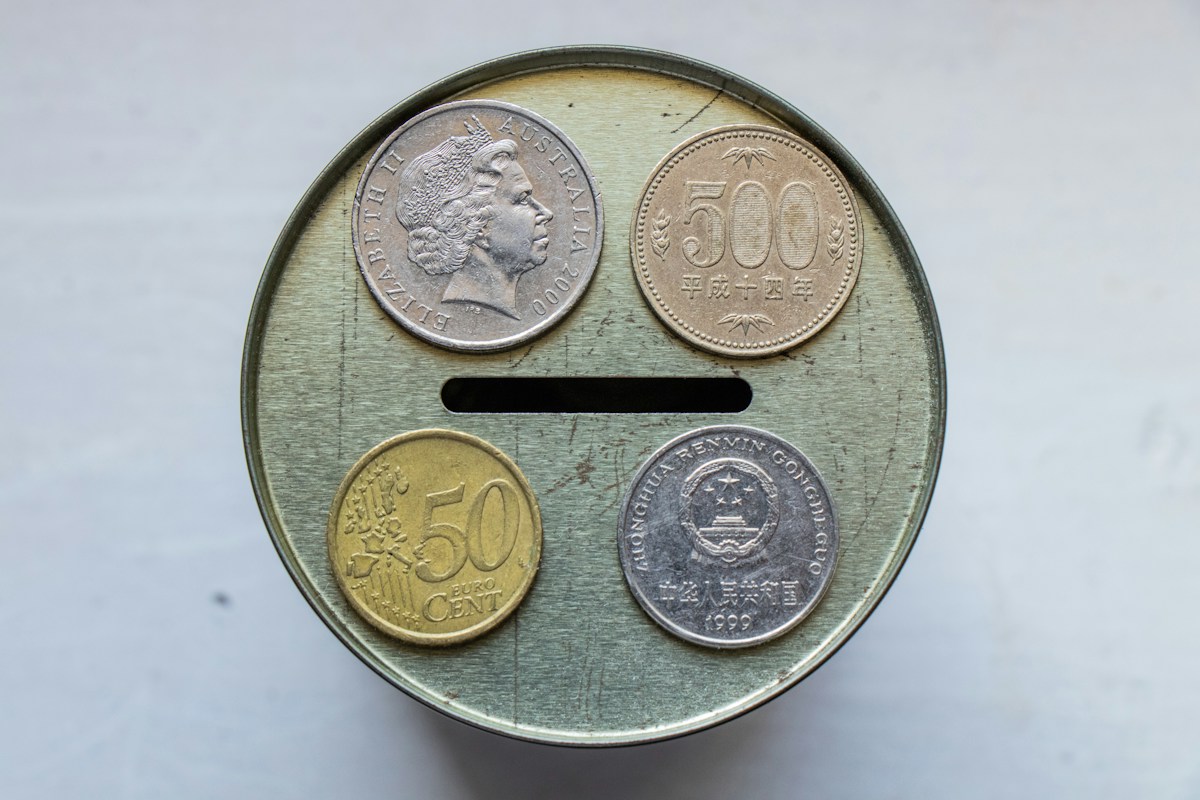
Planning your Bali vacation? Understanding the local currency is essential for a smooth trip. Whether you're booking an airport transfer, renting a car, or exploring the island, knowing how to handle money in Bali will make your experience stress-free.
📌 Quick Summary
- �� Official currency: Indonesian Rupiah (IDR)
- �� Best places to exchange money
- �� ATM and credit card usage tips
- ��️ How to avoid scams and counterfeit money
- 💰 Typical costs and budgeting advice
What Currency is Used in Bali?
The official currency in Bali is the Indonesian Rupiah (IDR). It's the only legal tender used across Indonesia, including all of Bali's tourist destinations. The symbol for Rupiah is "Rp," which always precedes the amount.
When you first see Rupiah notes, the large numbers might surprise you. Due to the currency's relatively low value compared to USD, EUR, or GBP, you'll handle much larger amounts than you're used to. For example, a simple meal might cost Rp 50,000-100,000.
Rupiah Denominations
Coins:
- Rp 100
- Rp 200
- Rp 500
- Rp 1,000
Banknotes:
- Rp 1,000
- Rp 2,000
- Rp 5,000
- Rp 10,000
- Rp 20,000
- Rp 50,000
- Rp 100,000 (most common for larger transactions)
Each banknote features unique designs celebrating Indonesian national heroes and cultural landmarks. The notes vary in color and size, making them easy to distinguish once you're familiar with them.
Where to Exchange Money in Bali
Getting Rupiah is straightforward in Bali. You have several options, each with pros and cons:
1. Banks
Banks offer reliable currency exchange services with fair rates and high security. However, the process can be slower compared to other options, and you may need to show your passport.
2. Authorized Money Changers
These are the most popular choice due to better rates and quick transactions. Look for official signs indicating "Authorized" or "Licensed" to ensure authenticity. Avoid money changers offering rates significantly better than others - they're likely scams.
Tips for using money changers:
- Always count your money before leaving the counter
- Keep receipts for record-keeping
- Exchange large amounts at once for better rates
- Choose changers in well-populated areas
3. Hotels
Some hotels offer exchange services for convenience, but rates are typically less favorable than banks or authorized changers.
4. Airport
Ngurah Rai International Airport has exchange counters for immediate access to Rupiah upon arrival. However, airport rates are usually the worst. Exchange only enough for your airport transfer and initial expenses, then exchange more in town.
Using ATMs in Bali
ATMs are plentiful throughout Bali and provide a convenient way to access Rupiah. They operate 24/7 and accept major international cards (Visa, Mastercard, Maestro).
ATM Safety Tips:
- Use ATMs located in secure places (bank branches, shopping malls)
- Shield your PIN while entering it
- Be aware of transaction fees (both local and your home bank)
- Withdraw larger amounts less frequently to minimize fees
- Notify your bank of travel plans to avoid card blocks
- Avoid isolated or suspicious-looking ATMs, especially at night
Most ATMs display instructions in English and allow you to choose your preferred language. Withdrawal limits typically range from Rp 1,500,000 to Rp 3,000,000 per transaction.
Credit Cards and Digital Payments
Credit cards are widely accepted in tourist areas, upscale hotels, restaurants, and larger shops. However, smaller establishments, local markets, and rural areas prefer cash.
Where cards work best:
- International hotels and resorts
- High-end restaurants
- Shopping malls
- Tour operators (like when booking Bali day tours)
- Car rental services
Where cash is king:
- Traditional markets
- Street food vendors
- Small local shops (warungs)
- Rural areas and villages
- Taxis and local transport
Digital wallets like GoPay and OVO are popular in urban areas like Denpasar but have limited reach in rural Bali.
Can You Use Foreign Currency in Bali?
While some high-end hotels and luxury shops might accept major foreign currencies (USD, EUR, AUD), it's not common practice. Locals and smaller businesses strongly prefer Indonesian Rupiah.
Using foreign currency often results in unfavorable exchange rates and limited acceptance. For the best experience, convert your money to Rupiah for all transactions.
Typical Costs in Bali (2026)
Understanding typical costs helps with budgeting your trip:
Transportation:
- Airport transfer to Seminyak: Rp 275,000
- Bali Private Driver (full day): Rp 650,000-750,000
- Scooter rental (per day): Rp 50,000-75,000
- Local taxi (short ride): Rp 30,000-50,000
Food:
- Local warung meal: Rp 25,000-50,000
- Mid-range restaurant: Rp 100,000-200,000
- High-end dining: Rp 300,000+
- Street food snack: Rp 10,000-20,000
Accommodation:
- Budget hostel: Rp 150,000-300,000/night
- Mid-range hotel: Rp 500,000-1,500,000/night
- Luxury resort: Rp 3,000,000+/night
Activities:
- Day tour packages: Rp 500,000-1,000,000
- Temple entrance: Rp 20,000-50,000
- Spa treatment: Rp 200,000-500,000
- Water sports: Rp 300,000-600,000
Tipping and Bargaining in Bali
Tipping
Tipping is appreciated but not mandatory in Bali. Many restaurants include a 10% service charge in the bill. If service is exceptional, consider leaving an additional 5-10% tip.
Tipping guidelines:
- Restaurants: Rp 10,000-50,000 (if no service charge)
- Hotel porter: Rp 20,000 per bag
- Spa therapist: Rp 50,000-100,000
- Driver (full day): Rp 50,000-100,000
- Tour guide: Rp 100,000-200,000
Bargaining
Bargaining is common and expected in local markets and small shops. Approach it with a friendly attitude - it's part of the cultural experience!
Bargaining tips:
- Start at 50-60% of the asking price
- Be polite and smile
- Walk away if the price is too high - they'll often call you back
- Don't bargain if you're not serious about buying
- Fixed prices apply in malls, supermarkets, and restaurants
Avoiding Scams and Counterfeit Money
While Bali is generally safe, be vigilant about your money:
Money Exchange Scams:
- Avoid changers offering rates far better than others
- Count your money carefully before leaving
- Watch for sleight-of-hand tricks during counting
- Use authorized changers with clear signage
- Never exchange money on the street
Detecting Counterfeit Rupiah:
- Check for watermarks when held to light
- Feel for security threads embedded in notes
- Examine the texture - genuine notes have a distinct feel
- Look for color-shifting ink on larger denominations
What to Do with Leftover Rupiah
At the end of your trip, you'll likely have leftover Rupiah. Here are your options:
- Exchange back: Convert to your home currency at the airport (though rates aren't favorable)
- Save for next time: Keep it if you plan to return to Indonesia
- Donate: Many hotels and airports have charity boxes
- Spend at the airport: Use it for last-minute souvenirs or meals
Note: Indonesian Rupiah is non-convertible outside Indonesia, so exchange it before leaving or save it for your next visit!
Final Tips for Managing Money in Bali
- Always carry small denominations (Rp 20,000, Rp 50,000) for markets and small purchases
- Keep cash in multiple places (wallet, hotel safe, money belt)
- Take photos of your cards in case they're lost
- Use hotel safes for large amounts of cash
- Download currency converter apps for quick calculations
- Inform your bank of travel dates to avoid card blocks
- Keep emergency cash separate from daily spending money
"Understanding Bali's currency system ensures you can focus on enjoying your vacation rather than worrying about money. Whether you're booking transport services or exploring local markets, having the right amount of Rupiah makes everything easier!"
Need Transport in Bali?
Book reliable airport transfer, car rental, or day tours with transparent pricing in Rupiah!