

Tegalalang Rice Terrace, an iconic scenic attraction in Ubud, Bali, offers a mesmerizing view of lush green rice fields cascading down the hills. Located north of Ubud, in the kabupaten of Gianyar, the Tegalalang Rice Terrace is a must-visit destination in Bali. This natural wonder showcases the traditional Balinese way of life and the ingenious irrigation system called subak that sustains the rice paddies.
Introduction to Tegalalang Rice Terrace
The Tegalalang Rice Terrace, often simply referred to as Tegalalang, is one of the three famous rice terrace areas in the Ubud region, with the other two being in Jatiluwih and Ceking, making it a must-see must-see on many Bali itineraries. The rice terraces in Ubud are not only a feast for the eyes but also a testament to the ingenuity of the Balinese people, drawing visitors from all over the globe to Bali to take photos and experience the beauty of Bali's agricultural landscape with Bali Nusa Transport. Visitors can easily drive north of Ubud to reach this stunning location. For a hassle-free experience, we recommend hiring a private driver who knows the best routes and can guide you to hidden gems along the way.
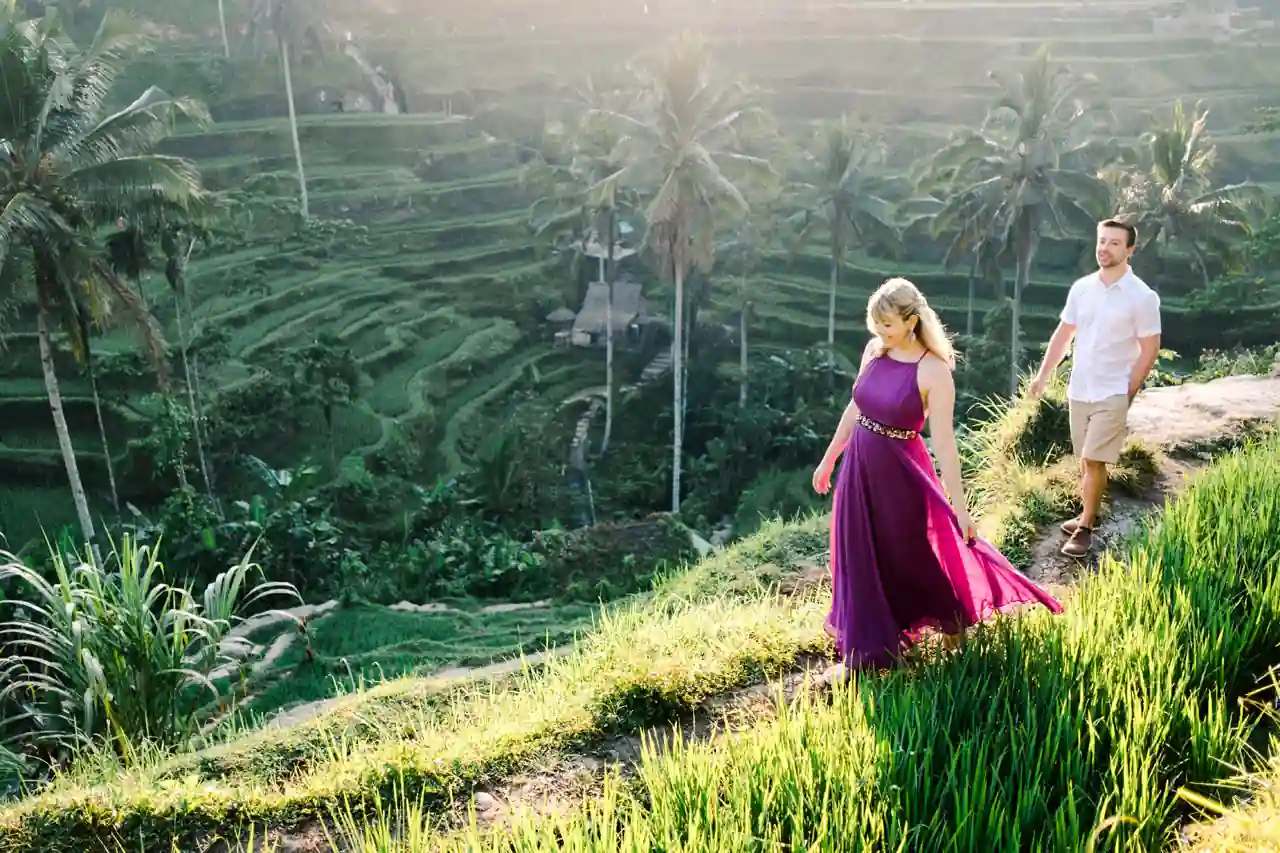
What are Rice Terraces?
Rice terraces, dating back to the 9th century, are essentially sculpted steps carved into hillsides to create level platforms for rice cultivation. This ingenious method allows farmers to maximize land use in mountainous regions, while also efficiently managing water distribution through intricate irrigation systems. The rice terraces transform otherwise unusable slopes into productive rice fields. It is a prime example of sustainable agriculture, working in harmony with the natural landscape. The practice of building rice terraces, such as the Tegallalang Rice Terrace, is found in many countries across Asia.
History of Tegalalang Rice Terrace
The history of Tegalalang Rice Terrace is intertwined with the ancient Balinese subak system, a traditional Balinese irrigation system dating back centuries. This cooperative water management system ensures fair distribution of water among farmers, fostering community harmony and sustainable agriculture. The subak is not just about irrigation; it also encompasses social and religious aspects, reflecting the Balinese philosophy of Tri Hita Karana, which emphasizes the balance between humans, nature, and the divine. You can find a coffee plantation near Tegalalang, too, which is just a 20-minute drive north of Ubud.

Importance of Sawah in Balinese Culture
In Balinese culture, the sawah, or rice field, holds immense significance, both practically and spiritually, especially in areas dating back to the 9th century. Rice is a staple food. The cultivation of the Tegallalang Rice Terrace is deeply ingrained in the daily lives of the Balinese people. The sawah is not merely a place for growing rice; it's a sacred space around the terraces where rituals and ceremonies are performed to ensure a bountiful harvest. The vibrant green rice paddies symbolize prosperity, abundance, and the harmonious relationship between humans and nature. Many cafes can be found near Raya Tegalalang.
Exploring the Tegalalang Rice Fields
Breathtaking Beauty of the Terraces
The Tegalalang Rice Terrace presents a scenic spectacle that draws visitors from across the globe to Bali. The undulating rice terraces, crafted with precision and care, create a mesmerizing landscape that seems to cascade down the hillsides. The vibrant green rice paddies offer a visual treat, especially during the growing season. Many visitors take photos of this wonder. The sheer artistry and natural beauty of the Tegalalang rice fields make it a must-see attraction for anyone visiting Ubud, offering beautiful views of the surrounding green landscape.
Unique Features of Tegalalang Rice Terrace
What sets the Tegalalang Rice Terrace apart from other rice fields is its distinctive layered design and the presence of towering palm trees that dot the landscape. The rice terraces in Ubud are not just a place for cultivation but also a playground for adventure seekers, with the famous Bali Swing offering thrilling experiences amidst the stunning backdrop. You can also find a coffee plantation near Tegalalang, which is a popular stop on your trip to Bali. Moreover, several charming cafes and art shops line the Jalan Raya Ubud, adding to the area's appeal near the Tegalalang Rice Terrace.
Subak Irrigation System Explained
The Subak, a traditional Balinese irrigation system, is the backbone of the photogenic Tegalalang Rice Terrace in Indonesia. This cooperative water management system ensures that water is distributed fairly and efficiently among the farmers, maintaining the health and vitality of the rice paddies. The subak system is not merely a practical tool; it is a cultural institution that reflects the Balinese values of community, harmony, and sustainability. It is an integral part of Bali's cultural heritage, showcasing the ingenuity of the local people. Harga tiket masuk is also available.
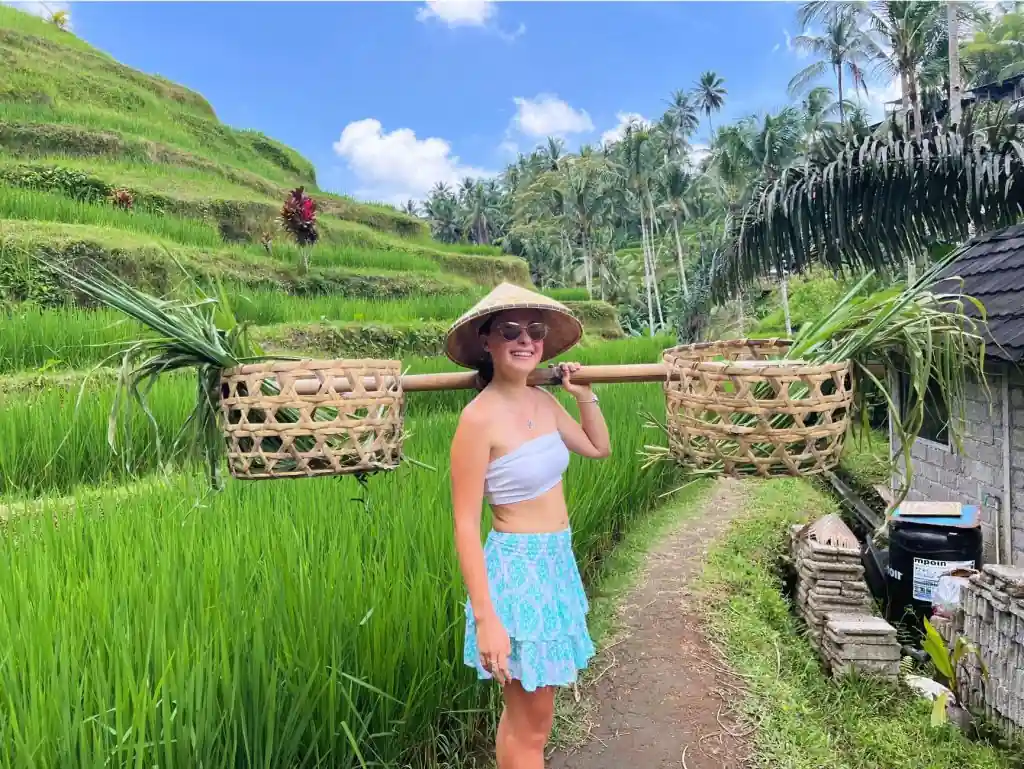
Visiting Tegalalang Rice Terrace
Best Time to Visit Tegalalang Rice Terrace
The best time to visit the Tegalalang Rice Terrace is during the early morning or late afternoon to capture the beautiful views. These times offer the most scenic lighting for photography and avoid the intense midday heat. During the green rice season, the rice paddies are at their most vibrant, offering a truly immersive experience. Avoiding peak tourist season can also ensure a more peaceful visit. For the best experience, consider booking a custom day tour. Our local drivers can pick you up early to catch the magical morning light before the crowds arrive.
Entrance Fee and Opening Hours
The harga tiket masuk (entrance fee) to the Tegalalang Rice Terrace is relatively affordable, making it accessible to budget-conscious travelers exploring many Bali itineraries. The rice terrace in Ubud is typically open from early morning until late afternoon, allowing visitors ample time to explore the area. It's advisable to check the exact opening hours before planning your visit. The money is used to maintain the rice field and help the local Balinese people in the Kabupaten Gianyar region, particularly around the Tegallalang area.
Nearby Attractions and Activities
Here are a few other attractions around Ubud, making it a worthwhile destination:
- The Ubud Monkey Forest, a popular spot for wildlife enthusiasts, is just a short 20-minute drive north of the beautiful views of the surrounding green landscape.
- The Bali Swing, where adventure seekers can enjoy thrilling views of the Tegallalang Rice Terrace.
Also, consider visiting a coffee plantation such as Bali Pulina to sample luwak coffee. Don't forget to explore Raya Tegalalang for local crafts and cafes. You can easily combine all these stops into one perfect itinerary with our flexible car charter service.
Experiencing Ubud's Rice Fields
Rice Fields of Ubud: A Comparison
Here are some other stunning rice fields of Ubud to explore, each offering a unique perspective on the UNESCO World Heritage Site:
- Jatiluwih offers a more expansive and less crowded experience, showcasing the vastness of Bali's agricultural landscape.
- Ceking provides a more intimate setting with fewer tourists, making it an ideal spot for a trip to Bali, especially for those seeking panoramic views.
Engaging with Local Balinese Culture
Visiting the Tegalalang Rice Terrace provides a wonderful way to connect with the local Balinese culture. While there, you can:
- Observe the farmers tending to their rice paddies and learn about their traditional techniques.
- Support local businesses in Kabupaten Gianyar by purchasing handicrafts and souvenirs.
Remember to respect the local customs around the terraces to ensure a meaningful experience. A tour to Ubud can make your visit even easier.
Tips for Capturing the Perfect Photos
To capture the perfect photos of the Tegalalang Rice Terrace, consider visiting during the golden hours of sunrise or sunset. The soft, warm light enhances the beauty of the greenest rice paddies and creates a magical atmosphere around the terraces. Use a wide-angle lens to capture the expanse of the rice terraces. Experiment with different angles and perspectives to showcase the unique features of the landscape. Be mindful of your surroundings and avoid disturbing the rice terraces or the local farmers. Don't forget to take photos of the Ubud Swing and the rice terrace swing, too.
Frequently Asked Questions
Is Tegalalang Rice Terrace worth it?
Absolutely. It is one of the most iconic landscapes in Bali, offering stunning layered views and cultural insight into the subak system. It's a must-visit for photographers and nature lovers.
How long does it take to explore?
Most visitors spend 1 to 2 hours exploring the terraces, taking photos, and hiking down to the bottom. Allow more time if you plan to try the swings or visit a cafe.
Does Tegalalang Rice Terrace have a swing?
Yes, Tegalalang is famous for its "Bali Swings". There are multiple swings available along the terraces offering thrilling views over the valley.
What are the opening hours?
The terraces are generally open from 7:00 AM to 6:00 PM. We recommend arriving early (around 7-8 AM) to beat the crowds and the midday heat.
What is the entrance fee?
As of 2026, the entrance fee is approximately IDR 25,000 per person. Some specific viewpoints or swings may have separate fees.
Want to Visit Tegalalang?
Hire a private driver from Bali Nusa Transport for a stress-free day trip to Ubud's best spots. Custom itinerary included!