
In 2026, Bali's infrastructure has changed dramatically. What worked for a backpacker five years ago might turn your highly anticipated family vacation into a logistical nightmare. Before you step off the plane at Ngurah Rai International Airport, you need a plan for your Bali transport.
From aggressive police checkpoints for scooter riders to unpredictable surge pricing on ride-sharing apps, finding the right mode of Bali transport is critical. Here is our definitive, no-sugarcoating comparison of the three main Bali transport options to help you decide which one matches your travel style, budget, and risk tolerance.
Option 1: The Scooter Reality
Renting a Honda Vario or Yamaha NMAX is heavily romanticized on social media. It offers independence and is undeniably the fastest way to cut through gridlock traffic in heavily congested areas like Canggu or Seminyak.
The Pros |
The Cons |
|---|---|
|
|
Who is this for? Experienced solo travelers or couples who hold a valid motorcycle IDP, possess robust travel medical insurance, and are comfortable riding in chaotic Southeast Asian traffic.
Option 2: Ride-Hailing Apps for Bali Transport
Grab and Gojek are the Southeast Asian equivalents of Uber. You can order both motorbike taxis (ojeks) and cars directly from the app. They are a phenomenal form of short-distance Bali transport for point-to-point urban travel.
The Pros |
The Cons |
|---|---|
|
|
Who is this for? Travelers staying in one central area who only need 10-15 minute rides between their hotel, the beach, and restaurants.
Option 3: The Private Driver Advantage
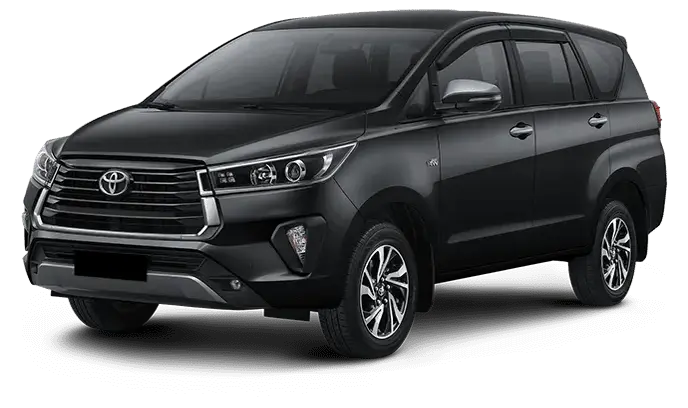
For pure peace of mind, hiring a private driver in Bali through a reliable local operator like Bali Nusa Transport is widely considered the gold standard. You rent a comfortable, air-conditioned vehicle (typically a Toyota Avanza or Innova) along with a local, English-speaking expert for a continuous 10 to 12-hour block.
The Pros |
The Cons |
|---|---|
|
|
Who is this for? Families, couples, groups of friends, and anyone planning to visit multiple tourist sites (e.g., waterfalls, temples, rice terraces) in a single day.
The 2026 Transport Breakdown Table
| Feature | Scooter | Grab / Gojek | Private Driver |
|---|---|---|---|
| Safety & Risk | High Risk | Medium | Safest |
| Best Use Case | Solo / Traffic Evasion | Short City Hops | Day Tours / Groups |
| Cost Predictability | Fines Possible | Surge Pricing | 100% Fixed |
| Red Zone Issues? | No | Yes (Major) | No Exempt |
The Final Verdict on Bali Transport
In 2026, the smart choice depends entirely on your itinerary. If you are a solo backpacker staying in Canggu relying mostly on your laptop, a scooter or occasional Gojek bike is sufficient for your daily Bali transport needs.
However, if you are planning to see the island—visiting Uluwatu Temple, the Ubud Monkey Forest, tracking down eastern waterfalls, or navigating the airport with luggage—a private driver is non-negotiable. The negligible difference in cost compared to app surge pricing is heavily outweighed by the safety, air-conditioning, and sheer relief of having secure Bali transport without having to haggle with local taxi touts on your vacation.
Ready for Stress-Free Travel?
Skip the Red Zone drama and surge pricing. Pre-book your premium, fixed-rate private driver with Bali Nusa Transport today. Toyota Avanza (IDR 700k/day) or Innova. Guarantee 100% transparency. Absolutely no hidden fees.